Taylor Davidson · Helsinki, Finland
When my family travels, we focus on cultural explorations more than historical landmarks. We seek out libraries, sports, music, parks, the things that make up daily life in the places we visit. We want to understand how people live, not just what they’ve built, picking up ideas to add to our daily lives.
The sauna became the highlight of our time in Finland. Personally, I’ve always loved saunas and similar experiences: the heat, the ritual, the way they force you to slow down and be present. I’ve been to Korean jjimjilbang, Japanese onsen, Turkish bath houses, Hungarian baths, geothermal pools in Iceland that taught us about the power of hot water in cold places, and swimming holes across the USA. Each has its own character, its own ritual, its own way of creating that essential contrast between hot and cold, activity and rest.
There are over 3 million saunas in Finland, roughly one for every two people. It’s not a luxury, it’s a way of life, embedded in the culture, woven into the social fabric of the country.
Helsinki sits on the Baltic Sea, a city of islands and water, where the summer days are long and the light lingers late into the evening. The architecture is a mix of neoclassical and modern, the streets clean and organized, the people reserved but friendly once you break through. It is a city that values design, functionality, cultural acceptance, and space for quiet moments.
We came to Helsinki in the summer, when the days stretch long and the city comes alive. People gather on the waterfront, swim in the sea, enjoy the warmth before winter returns. Summer must be savored, you can’t waste these long days. You have to find ways to make the most of them.
The sauna is central to Finnish life, in summer and winter. It’s how they connect with each other, how they reset, how they find balance. The word “sauna” is one of the only Finnish words to enter the English language. It’s been part of Finnish culture for over 2,000 years, originally used for bathing, healing, and giving birth. Today, it’s still all of those things, plus something more: a social ritual, a place of equality, a way to be present.
We visited two of Helsinki’s most well-known public saunas: Löyly and Allas Sea Pool, both featured among Helsinki’s must-experience saunas. Each offered a different take on the modern urban sauna experience.
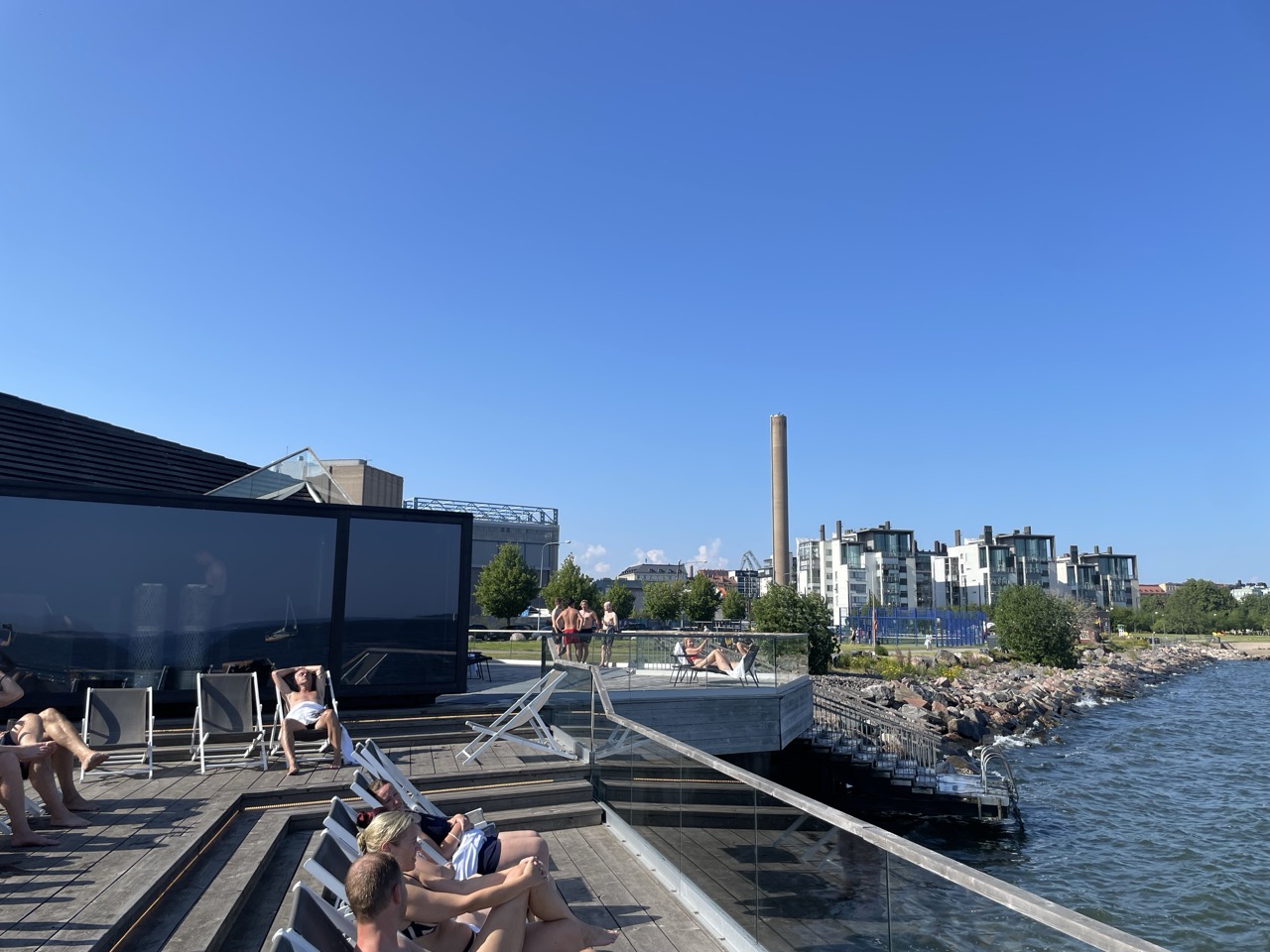
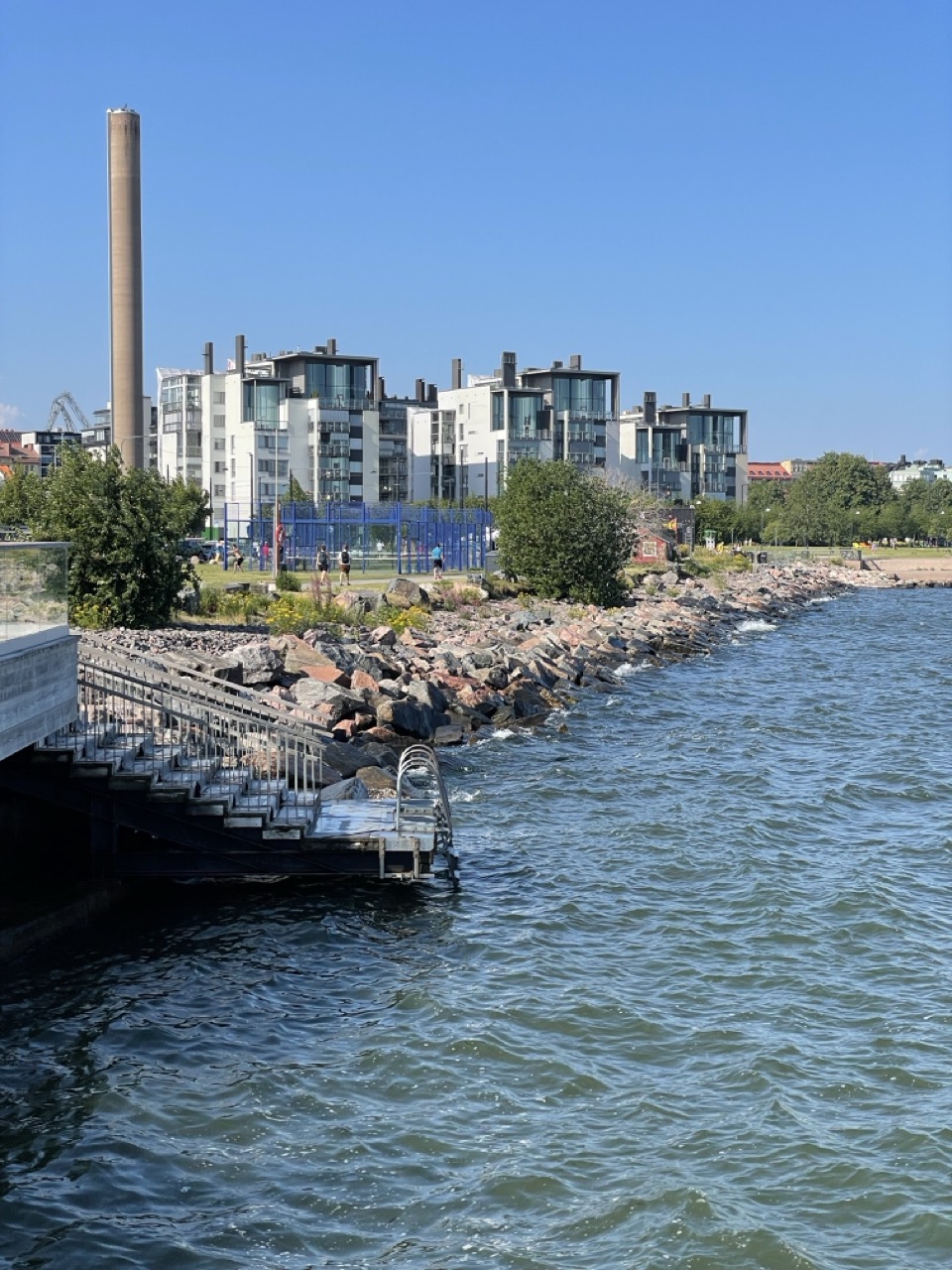
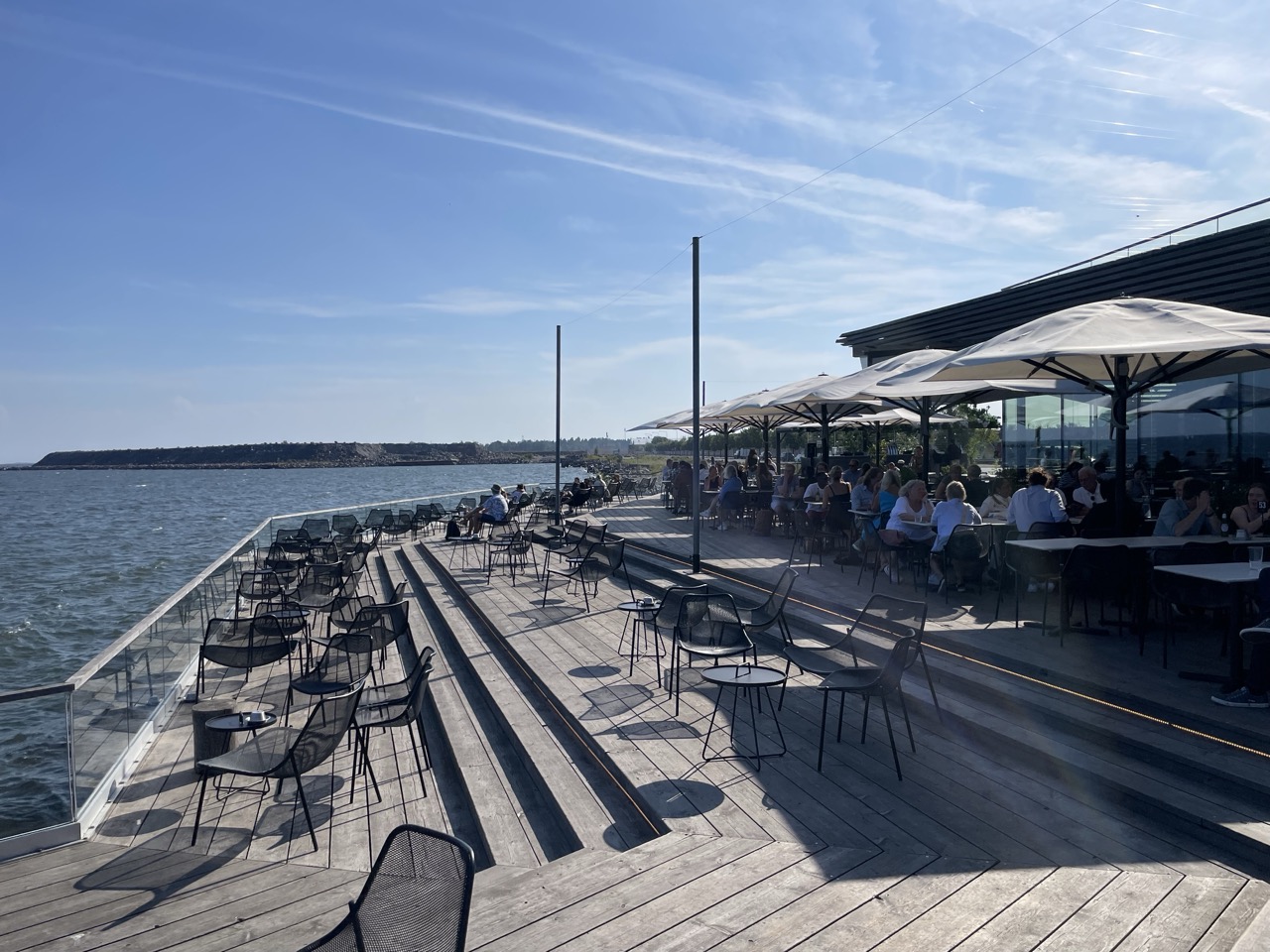
Löyly sits on the waterfront in a former industrial area, its geometric wooden structure rising from the rocks like a piece of sculpture. The building is striking, designed to blend with the landscape, all clean lines and natural materials. Inside, it’s a contemporary take on a traditional practice: three wood-fired saunas, a year-round outdoor swimming pool, and a restaurant serving Finnish classics.
We arrived mid-day and the place was busy. Groups of friends eating and drinking on the deck, families with children, colleagues on work outings, all mixed together. We ate a snack and then dived in when our time slot came up.
The key to a good sauna experience is the löyly, the steam created when you pour water over the heated stones. Not all sauna types use this technique, but in Finland, it’s essential. The löyly transforms the dry heat into something more intense, more enveloping. You feel it on your skin, in your lungs, in the way the heat seems to penetrate deeper. In a mixed group people take turns pouring water on the stoes, contributing to the atmosphere and experience of the group.
People bounced between saunas, contrasting the heat of the saunas with cold showers and jumping into the Baltic Sea. In the summer the water was almost warm, but one can imagine what it would be like in winter. The contrast between the saunas and the cold water is a key part of the experience, invigorating and cleansing.
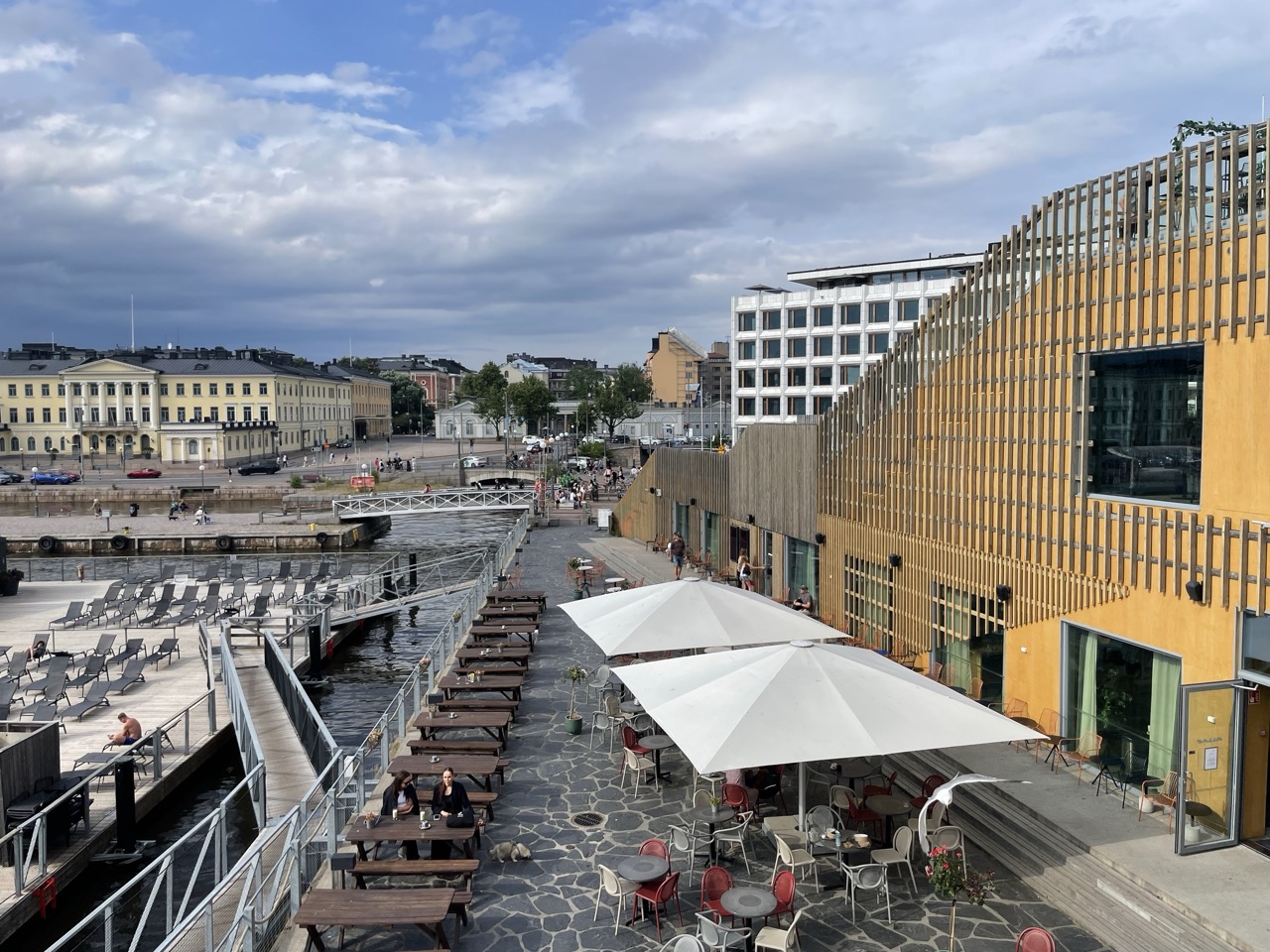
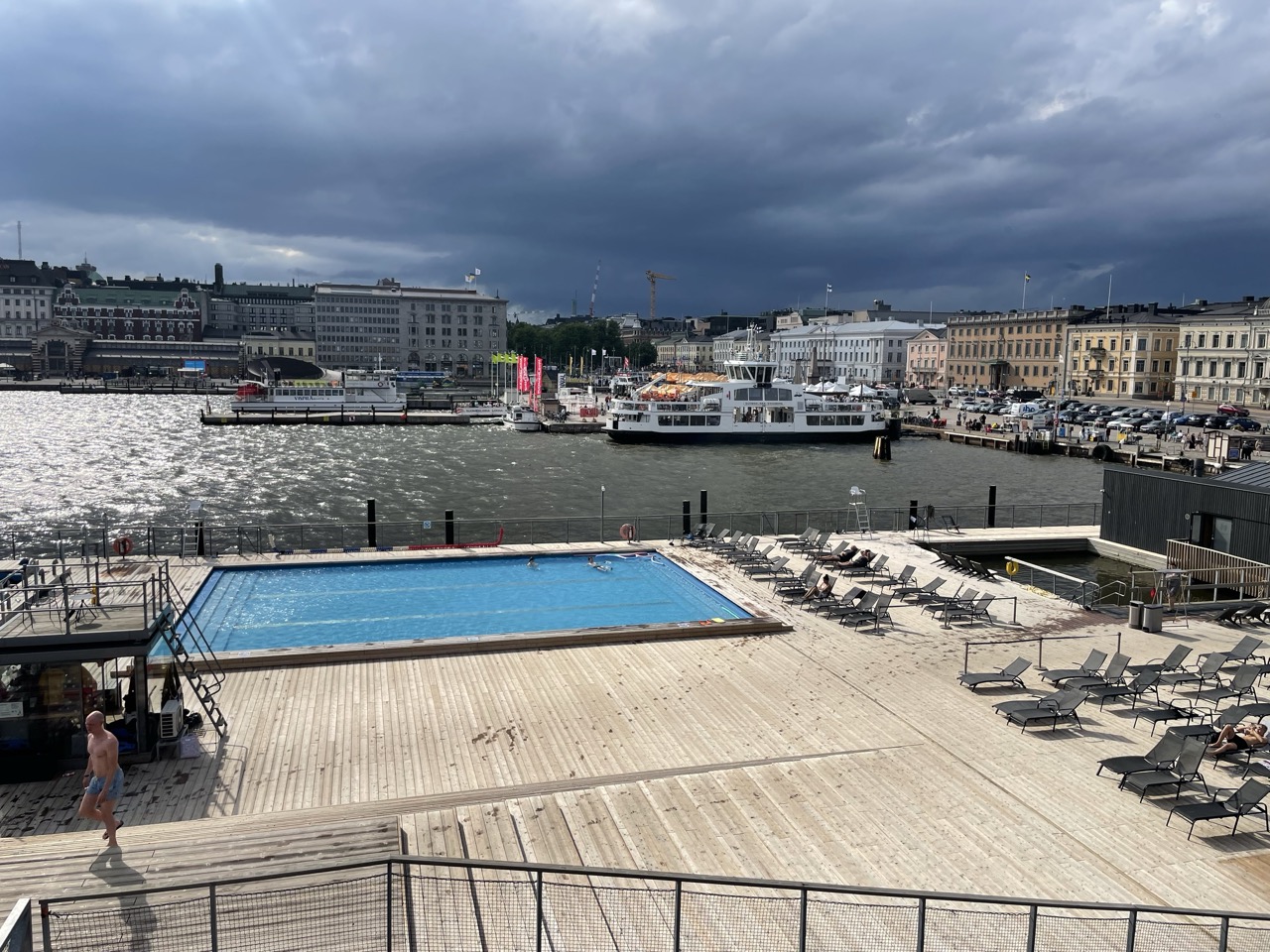
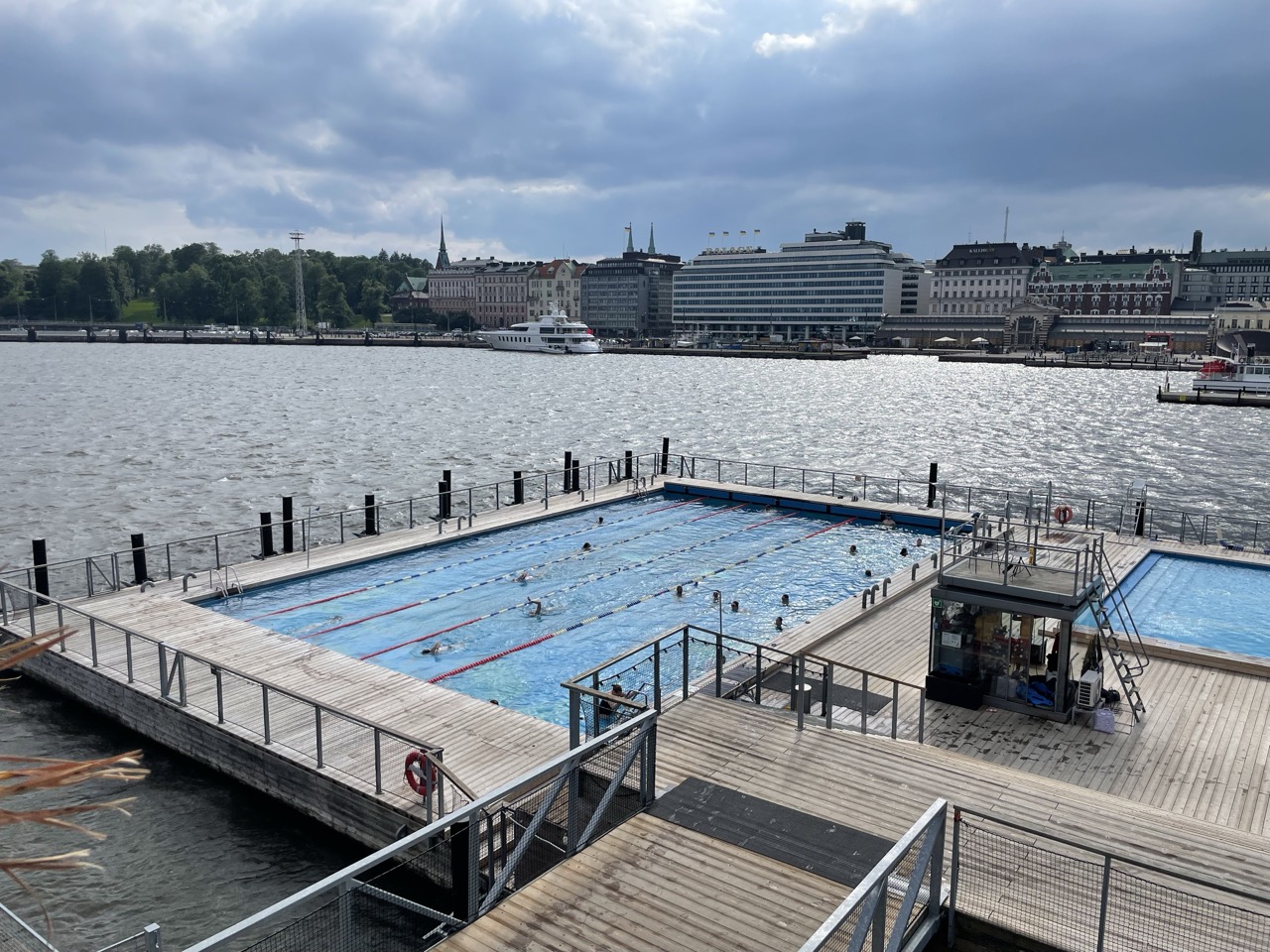
Allas Sea Pool, located right in the middle of Helsinki near Market Square, offered a different vibe. It is a year-round urban oasis, with a heated pool maintained at 27°C, a sea water pool, and five saunas with stunning views of the harbor. The setting is more urban, right next to the harbor with ferries constantly coming and going, taking tourists and locals to islands in the city’s harbour. People swim laps, sunbathe, bounce between saunas, and take evening swims as the light fades. You can spend hours moving between pools and saunas, between hot and cold, between activity and relaxation.
One thing that struck us was how integrated children are into sauna culture in Finland. At both Löyly and Allas, we saw families with kids of all ages in the saunas, jumping into sea, swimming in the pools. In Finland, children are welcome in most saunas, though there are some exceptions and times when kids should not go, and parents are expected to monitor their children’s tolerance for the heat. At home, sauna is a family activity, passed down through generations, part of how Finnish children learn to be part of the community. In the United States, it’s much harder to take kids to saunas, as most places have age restrictions, or the culture around saunas is more adult-oriented, or there’s simply less access to public saunas altogether. The difference reflects how deeply sauna culture is woven into Finnish life, and a comment on how Europeans in general approach families and children and integrate children into shared experiences and public spaces.
The health benefits of sauna are well-documented. [1] Regular sauna use has been linked to reduced risk of cardiovascular disease, improved circulation, and better sleep. But in Finland and other cultures, the health benefits of regular sauna go beyond the physical.
Finland consistently ranks as one of the happiest countries in the world, topping the World Happiness Report multiple times. Researchers point to societal and governmental factors such as strong social safety nets, low inequality, and trust in institutions, but they also point to social and cultural factors such as community support, connection to families and friends, daily interactions that keep people engaged, active, and interested in life.
Sauna is one of those rituals that bring people together. In a country where people are known for being reserved, the sauna is where they open up. It’s where business deals are made, where families reconnect, where friends bond. The heat breaks down barriers, literally and figuratively.
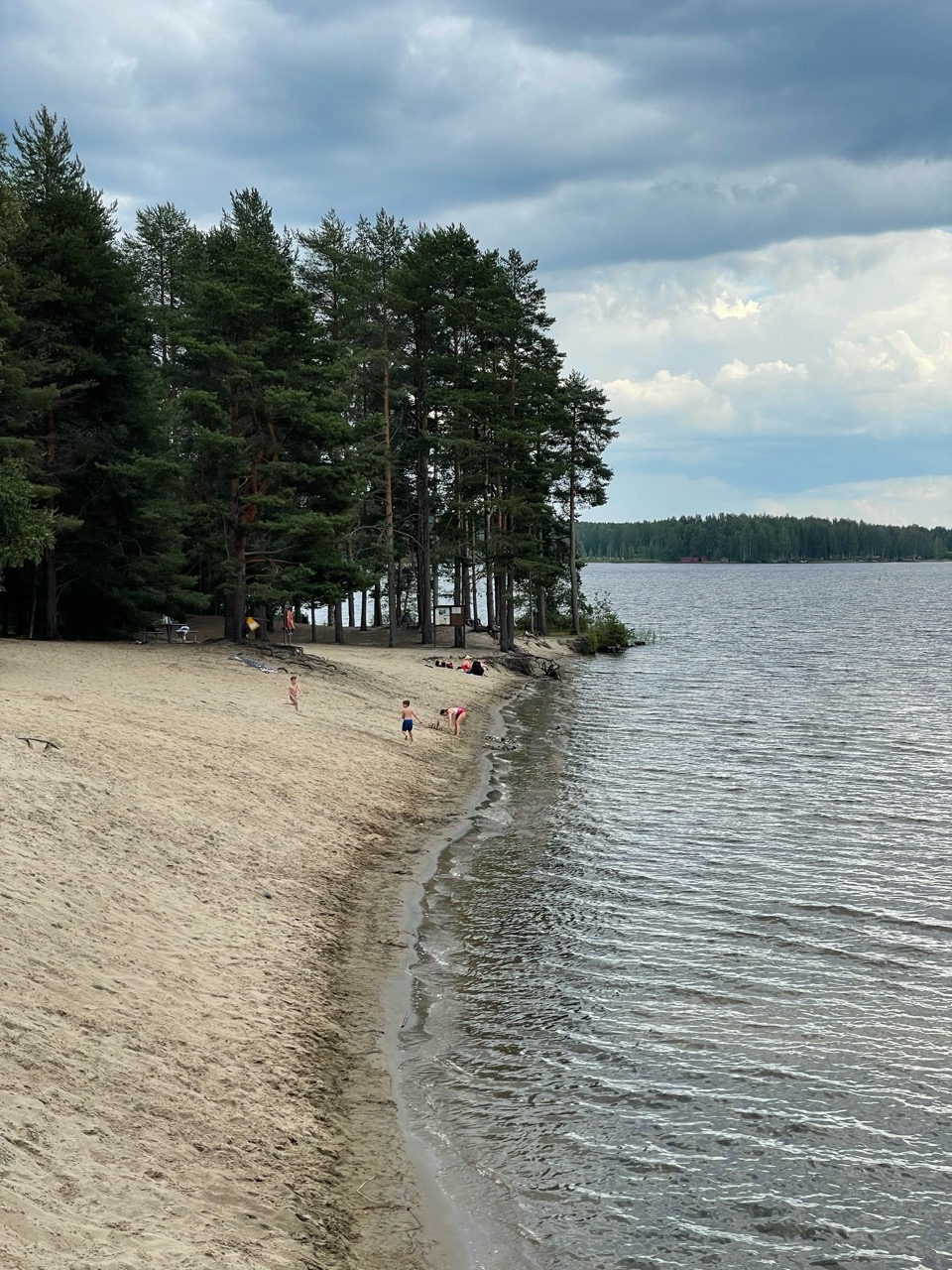
After a few days in Helsinki, we traveled north to visit a family in a smaller town. We spent a day at their sauna, which sat on a lake surrounded by forest. No electricity, no running water, no modern conveniences, just a open-air structure for cooking and eating, a wood-burning sauna, a dock into the lake, and the quiet of the Finnish wilderness.
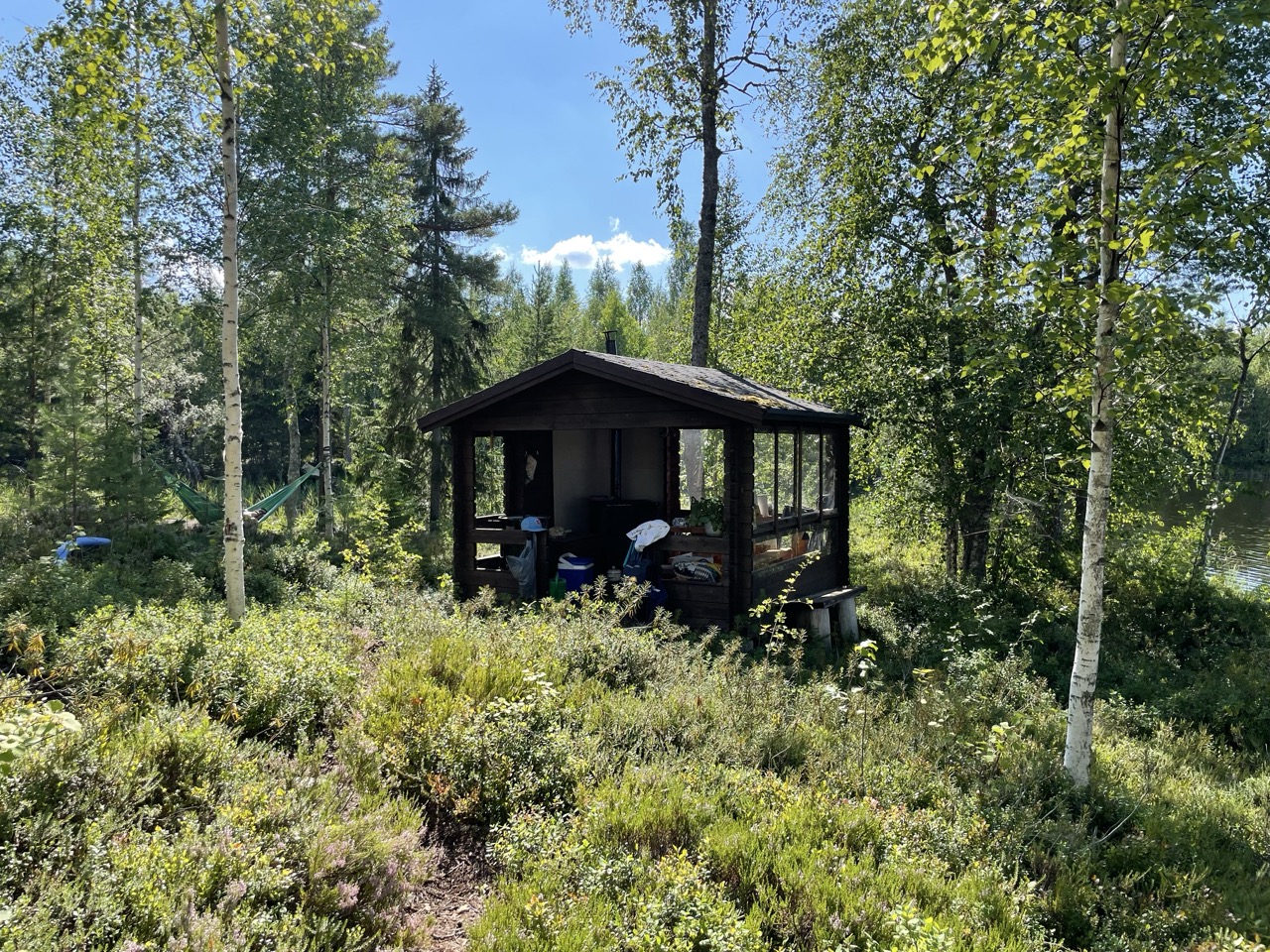
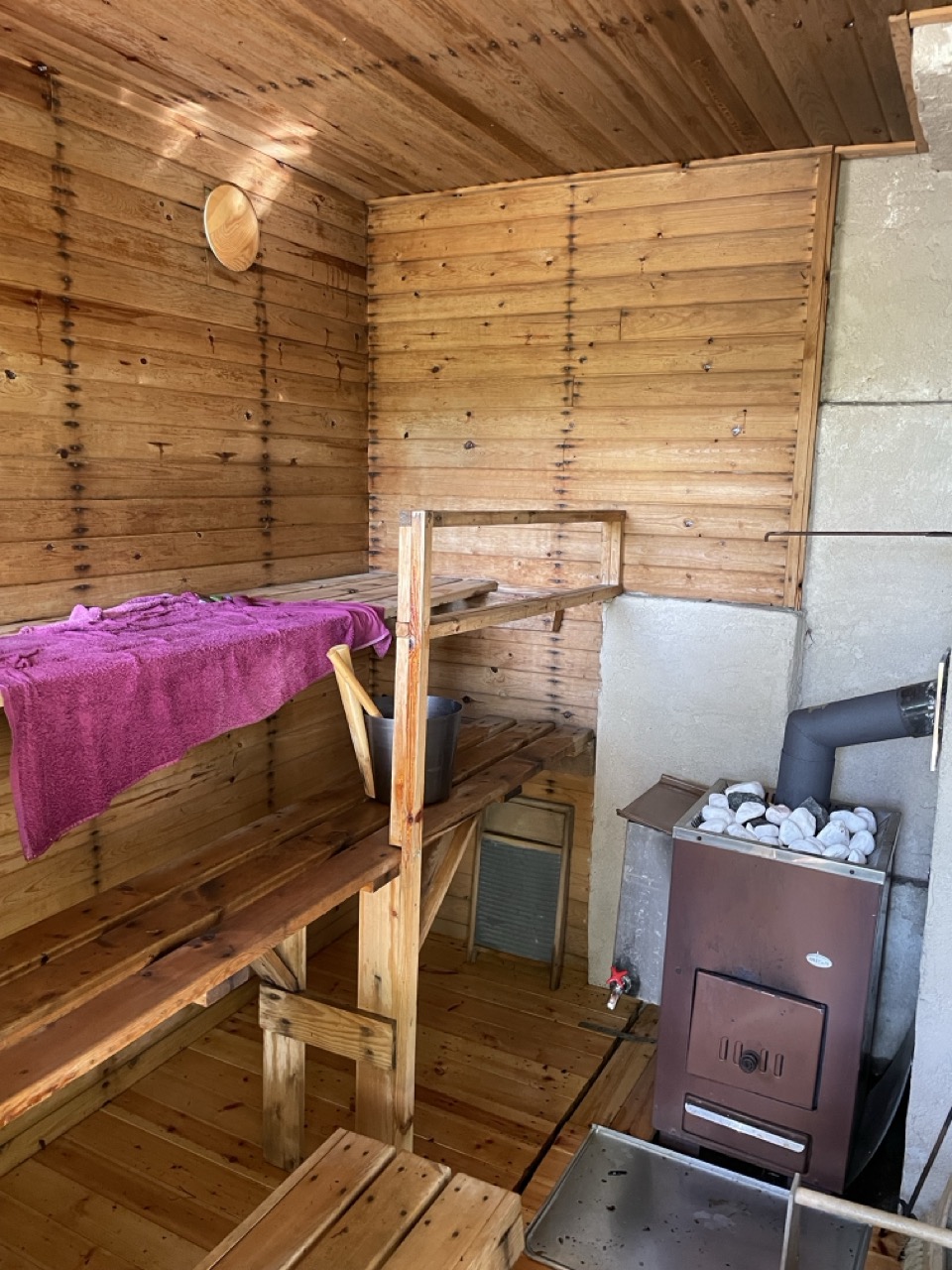
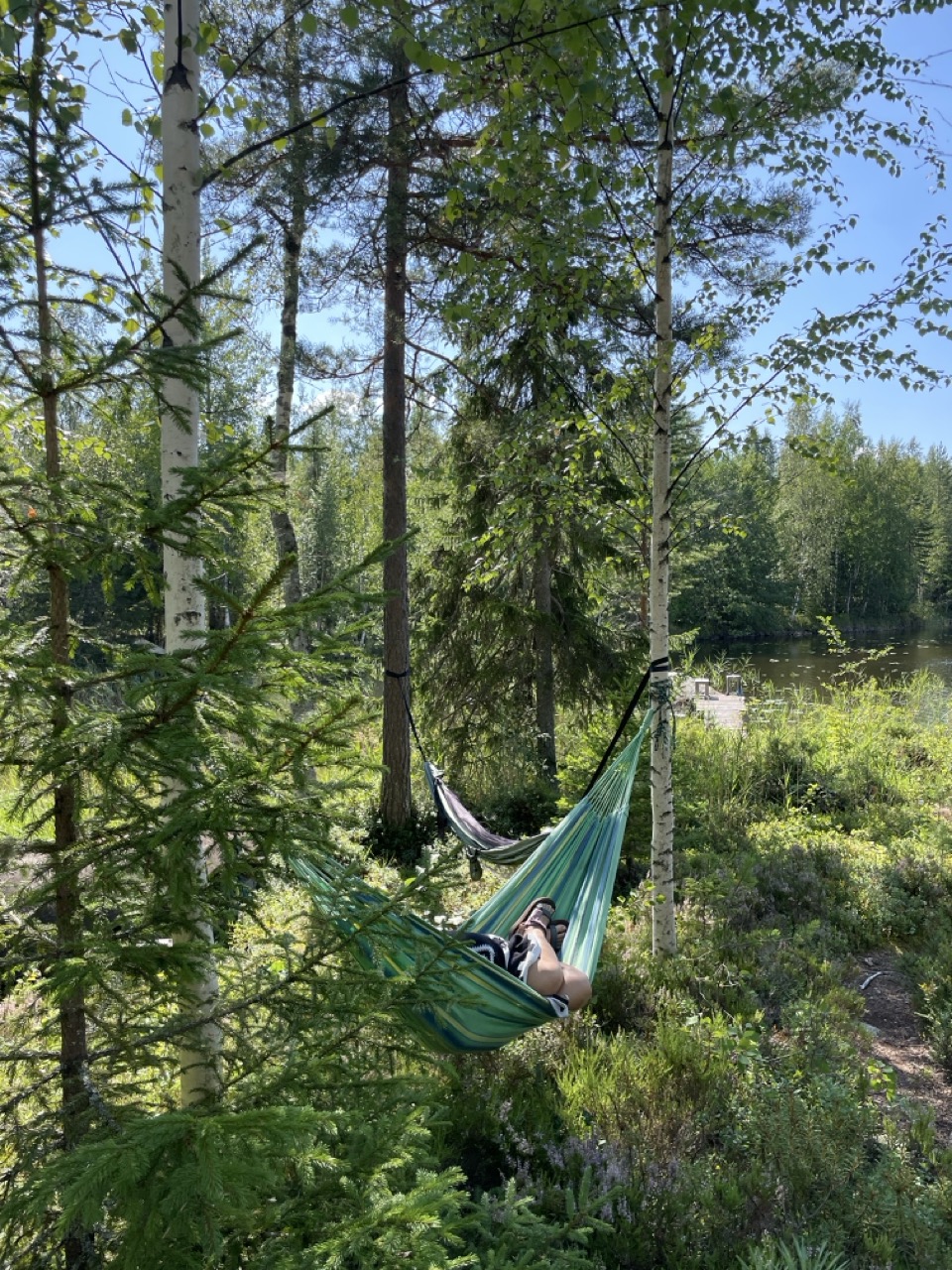
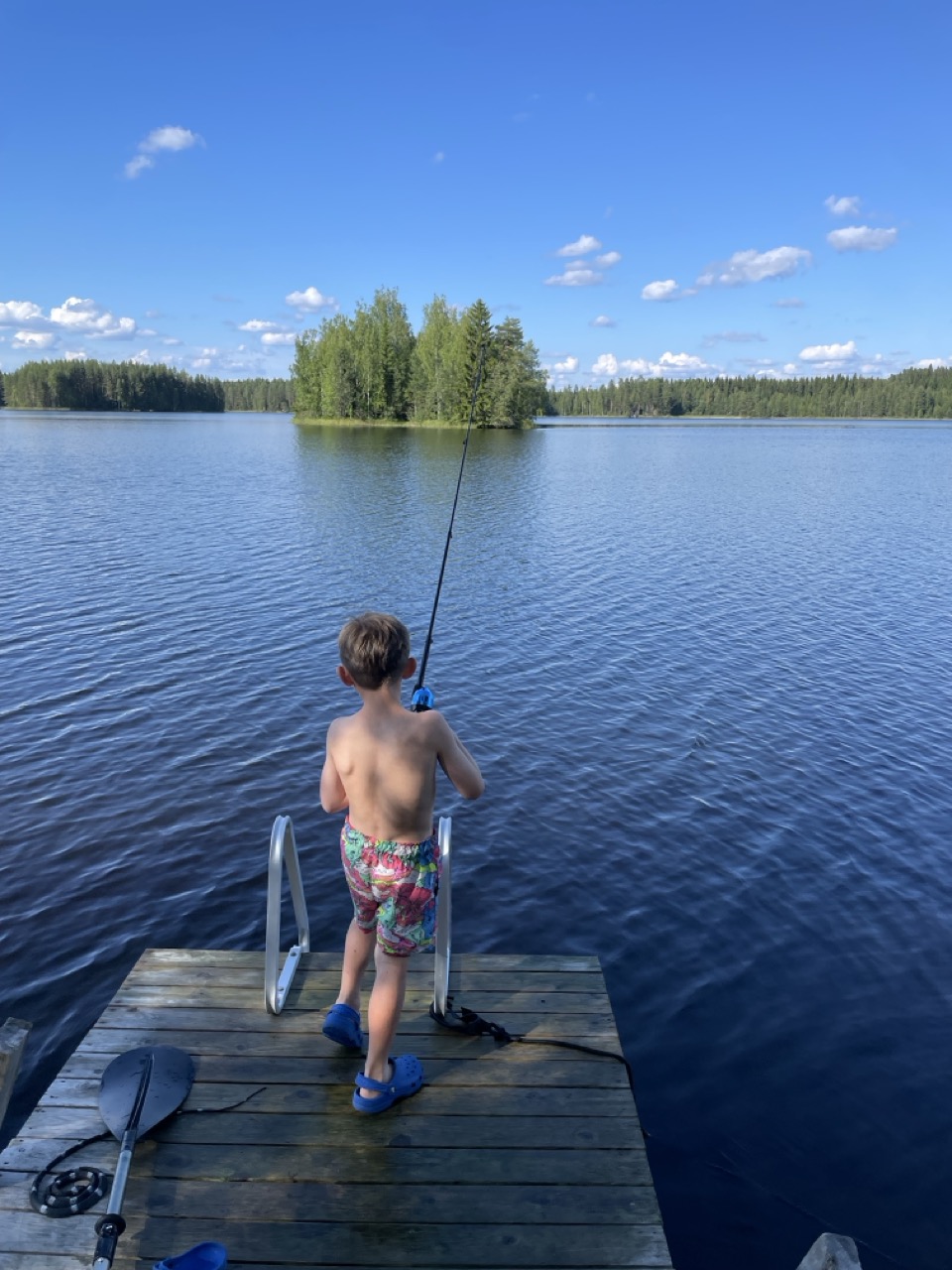
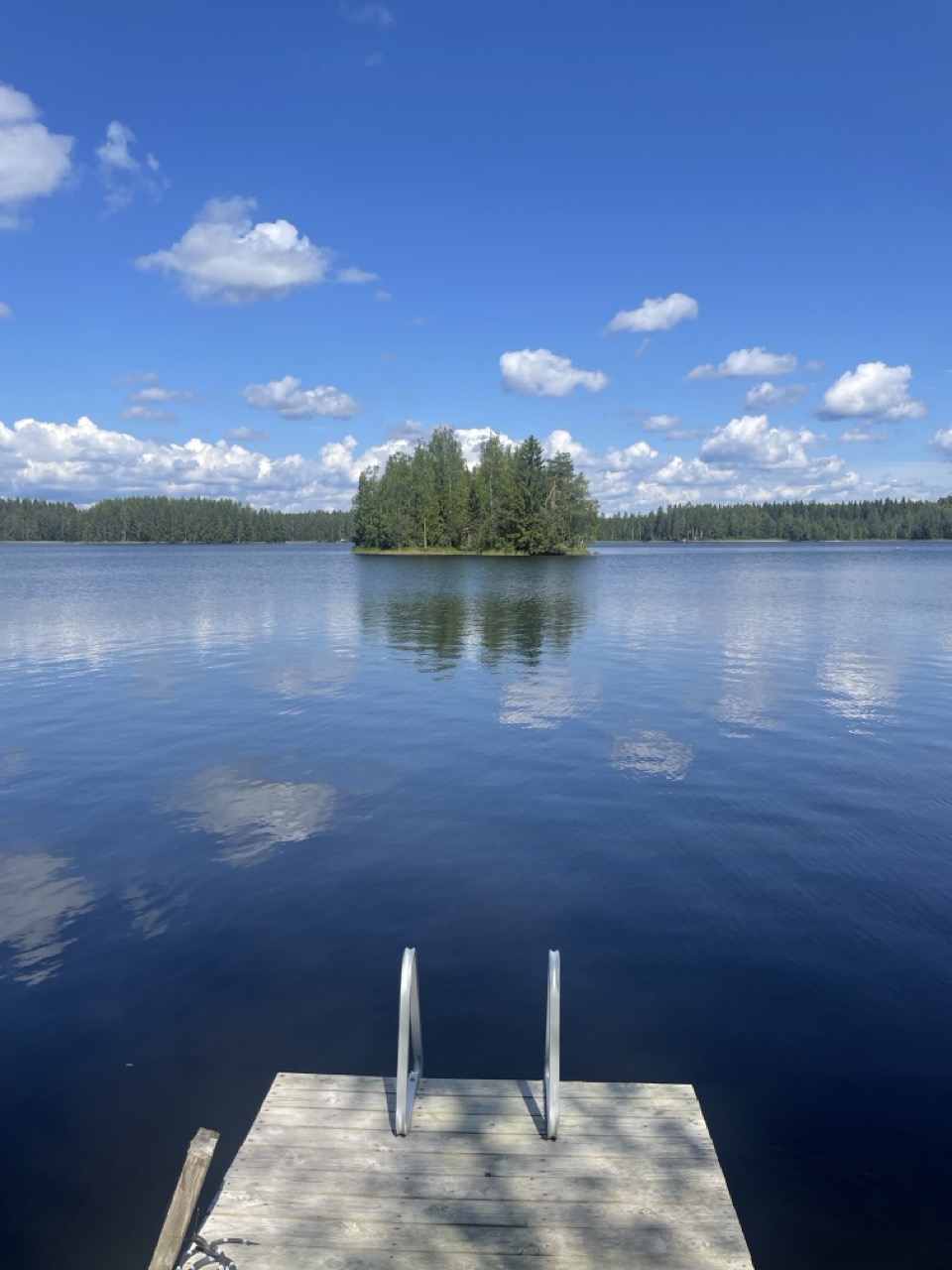
The wood-burning sauna leads to a different experience. The heat is dryer, more intense, with the smell of smoke and wood filling the air. Our host explained the idea of löyly (and taught us how to pronounce it), while he detailed the difference between wood and electric saunas, how they sauna as a family, and the idea and prevalence of mökkis throughout the Finnish countryside. When we got too hot we jumped into the lake to swim, jumping in and out, getting cold and hot until it was time to eat.
In the USA we refer to “sauna” as a thing or a place, in Finland “sauna” is also an activity, experience, something to do. In the USA saunas are often part of gyms or wellness clinics, often an individual experience added to a workout or treatment. In Finland the sauna is the primary experience, often at a dedicated location, and rarely a solo activity. In the USA we talk about the benefits of saunas in terms of the physical experience and it’s impact on our individual health, but often miss the benefits of the social interation and support that are part of the sauna experience.
My family often picks up things from travel to add to our daily lives. While I’ve thought deeply about buying and building a sauna for us to use, recreating the full sauna experience is much harder to do without the societal context and reinforcement. You can build the structure, you can heat the stones, you can create the löyly, you can sauna daily with your family, but you still can’t import the cultural practice, the way it’s woven into broader daily life. But even if I can’t recreate the full Finnish sauna culture at home, I can find ways to carry forward that understanding, remembering that the most important things we bring back from travel are the impacts it has our our lives.