Taylor Davidson · Breckenridge, Colorado
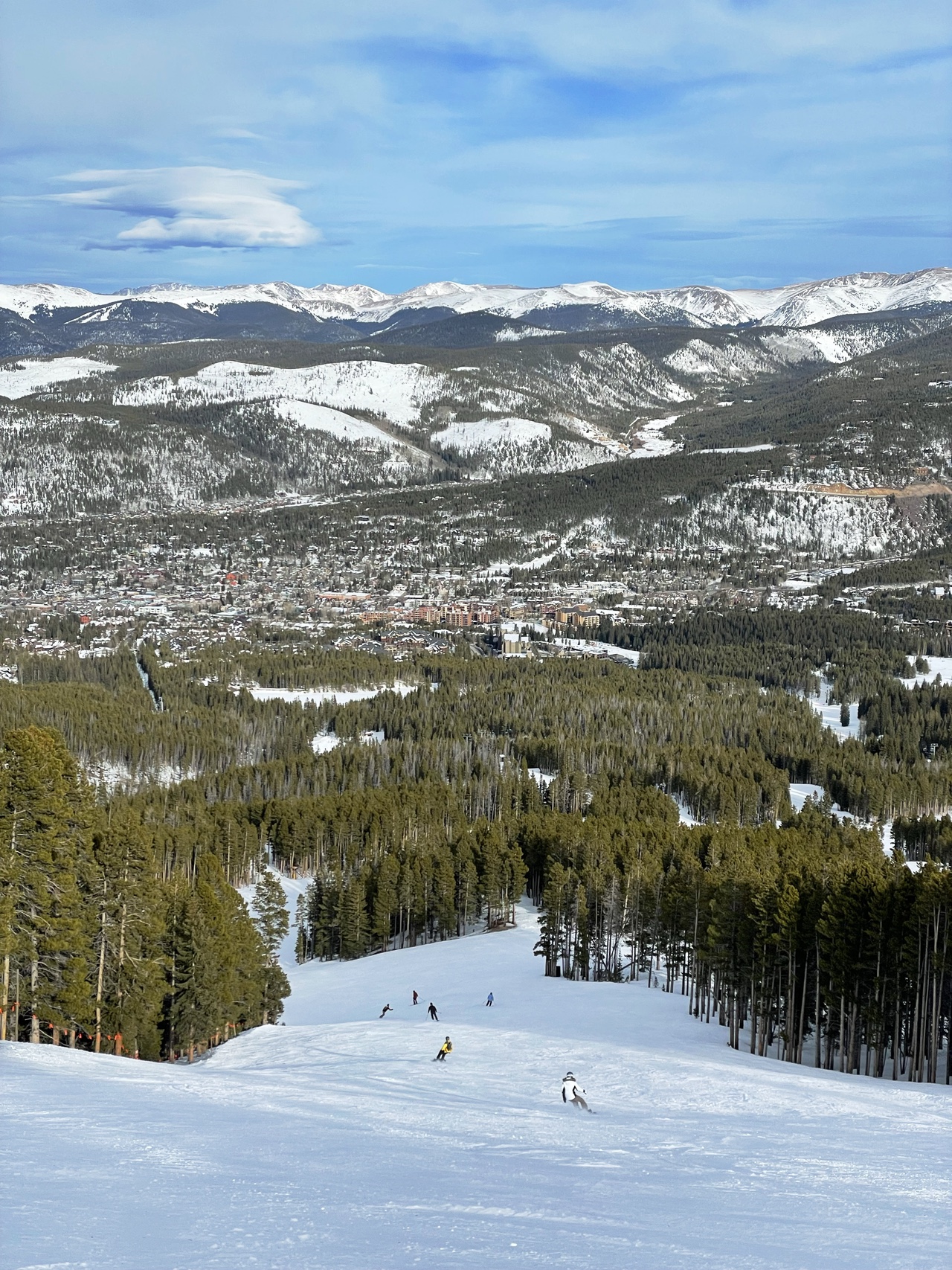
I never figured myself as a ski bum.
I grew up on the water, used to warm weather, being wet, sandy, sunburned, tasting salty water, in and out of lakes and oceans. I was comfortable boogie boarding and body surfing, floating over rollers and ducking under waves, but I never really learned to surf.
So I didn’t have a great relationship with snow or a comfort with speed until I learned to ski.
Breckenridge sits at 9,600 feet, a town built on gold. In 1859, prospectors discovered gold in the Blue River, and within months, thousands of miners flooded the valley. The town was named after John Breckinridge, a vice president and Confederate general, though the spelling was changed to avoid association with the Confederacy during the Civil War.
The mountains around Breckenridge were carved by pickaxes and dynamite, not ski lifts. The same peaks that now draw skiers from around the world were once stripped bare by hydraulic mining, their slopes scarred by sluice boxes and tailings. The town’s Main Street, now lined with ski shops and après-ski bars, was once a muddy thoroughfare where miners cashed in their gold dust and drank away their riches.
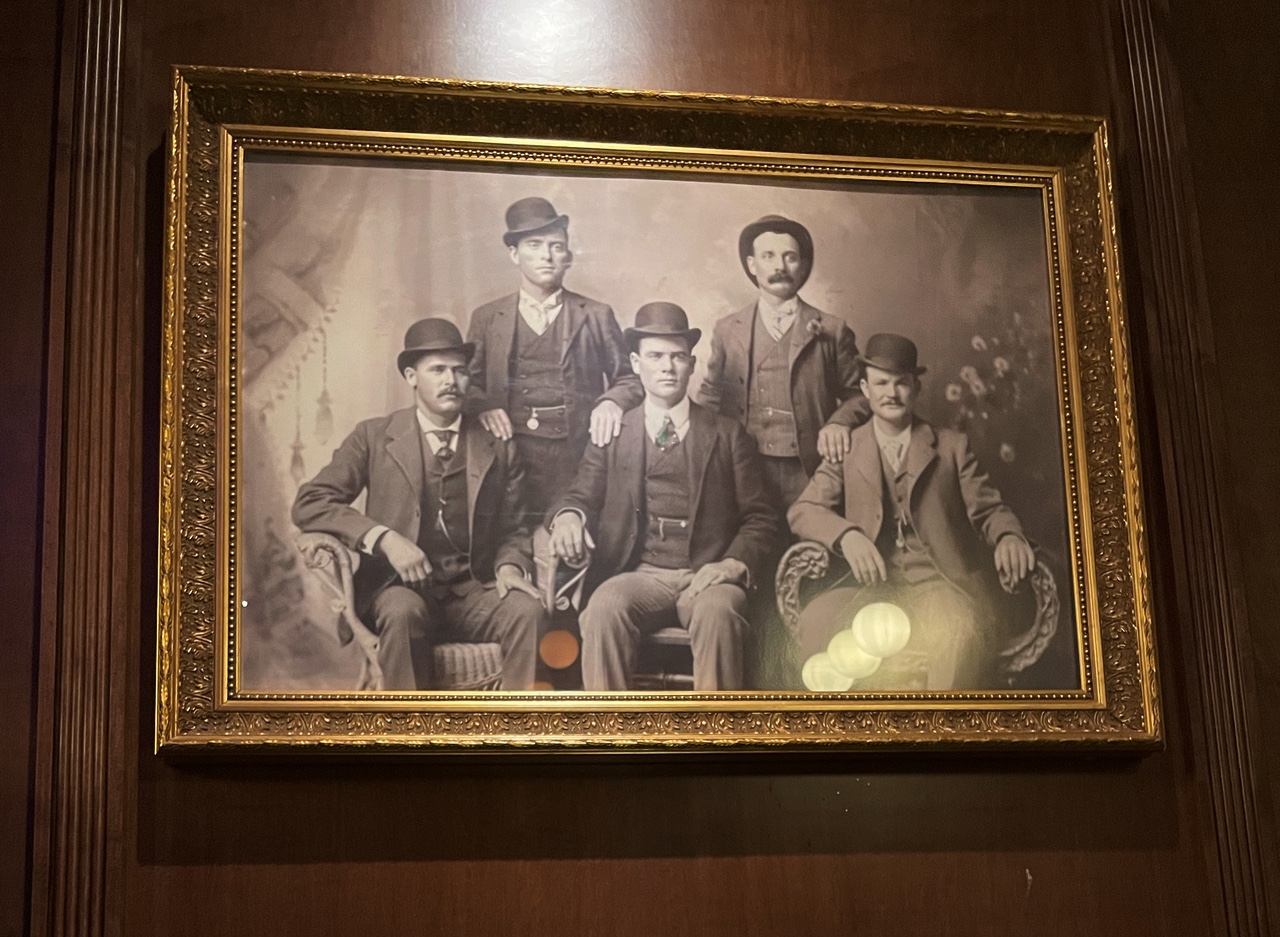
Some independent miners found success—Winfield Scott Stratton discovered gold near Pikes Peak in 1891, and the Cripple Creek district boasted over 500 active mines at its peak. But as the industry matured, consolidation took hold. Larger companies began acquiring smaller operations, streamlining production and increasing profitability. The Colorado Fuel & Iron Company, formed through mergers, became the state’s largest employer, dominating the industry for decades. The pattern was familiar: independent operators gave way to corporate consolidation.
The mines ran dry, as they always do. By the 1940s, Breckenridge was a ghost town, its population dwindled to a few hundred. The same mountains that had given up their gold were about to give up something else: snow.
The first ski lift opened in 1961, a single chairlift that carried skiers up Peak 8. Breckenridge wasn’t the first - Aspen and Arapahoe Basin had opened fifteen years earlier - but it was still a gamble. Would people really come to this remote mountain town to slide down hills on sticks? But the snow was good, the terrain was challenging, and word spread. By the time Vail opened in 1962 with its three lifts and gondola, Breckenridge had already proven that a former mining town could reinvent itself as a ski destination.
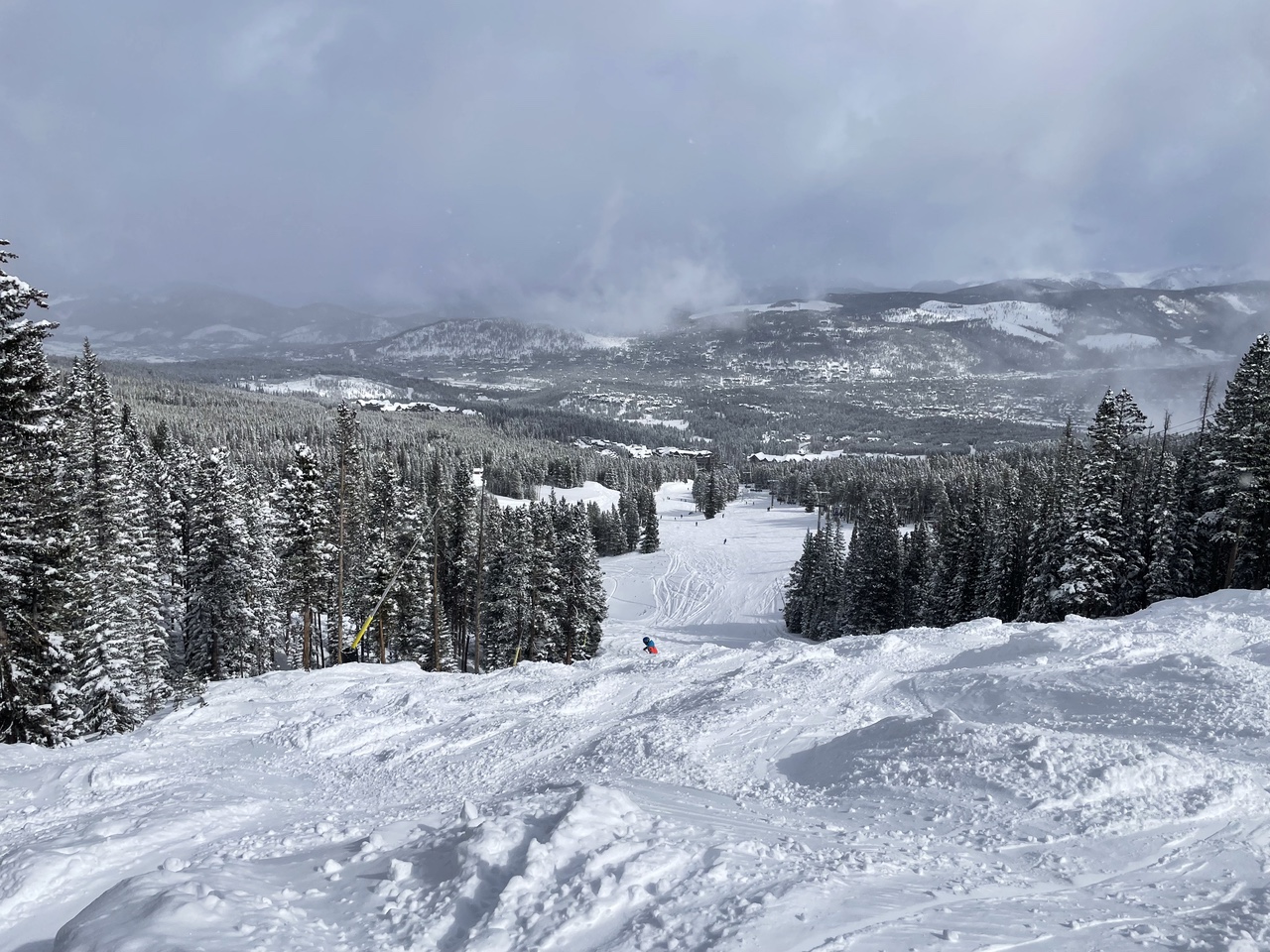
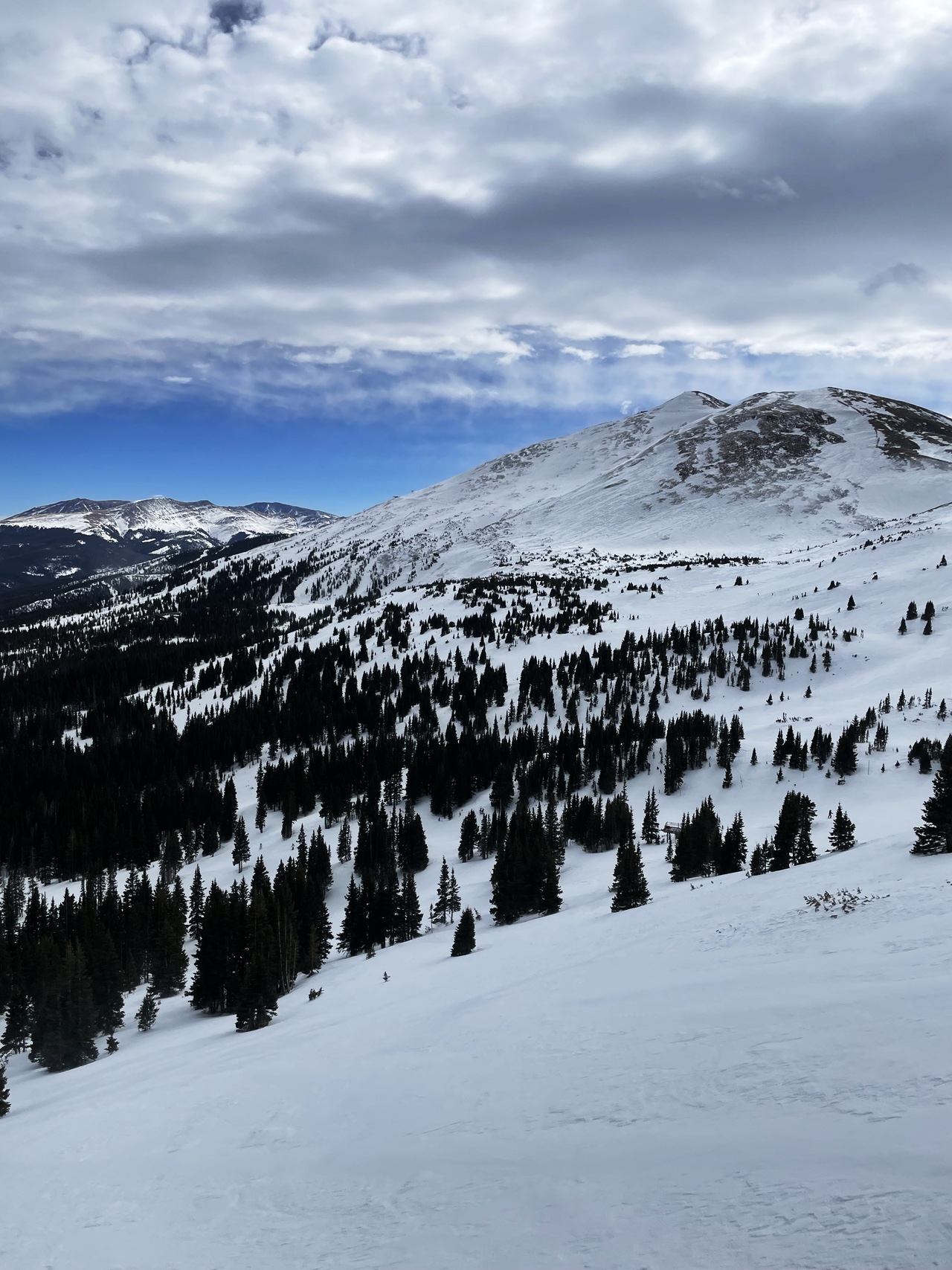
I tried skiing and snowboarding in my twenties, helped by my athletically gifted cousins who had grown up skiing in New Hampshire and Vermont. Despite their patience and help I was never comfortable with any speed, unable to stay up, afraid of being unable to stop and control where I went.
And so for years I was happy to go on ski trips and stay inside. But eventually, with my youngest son ready to learn to ski, I gave it another shot, out of the practicality of there needing to be two skiers in the family to handle our two young sons learning to ski.
Now, skiing with my family in Breckenridge, I see my kids picking it up faster than me. But I’m out there, learning something new, living a second life on the slopes.
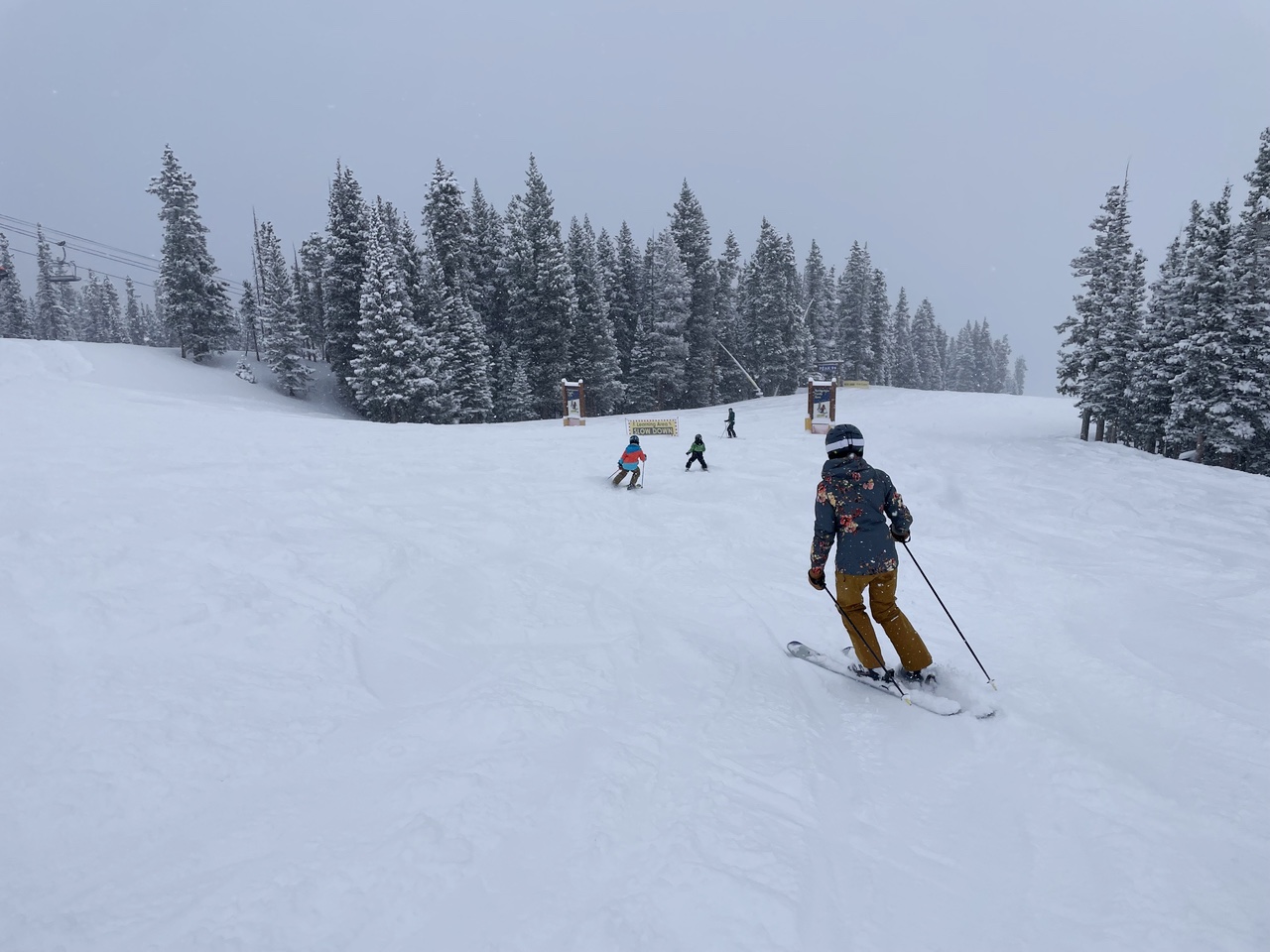
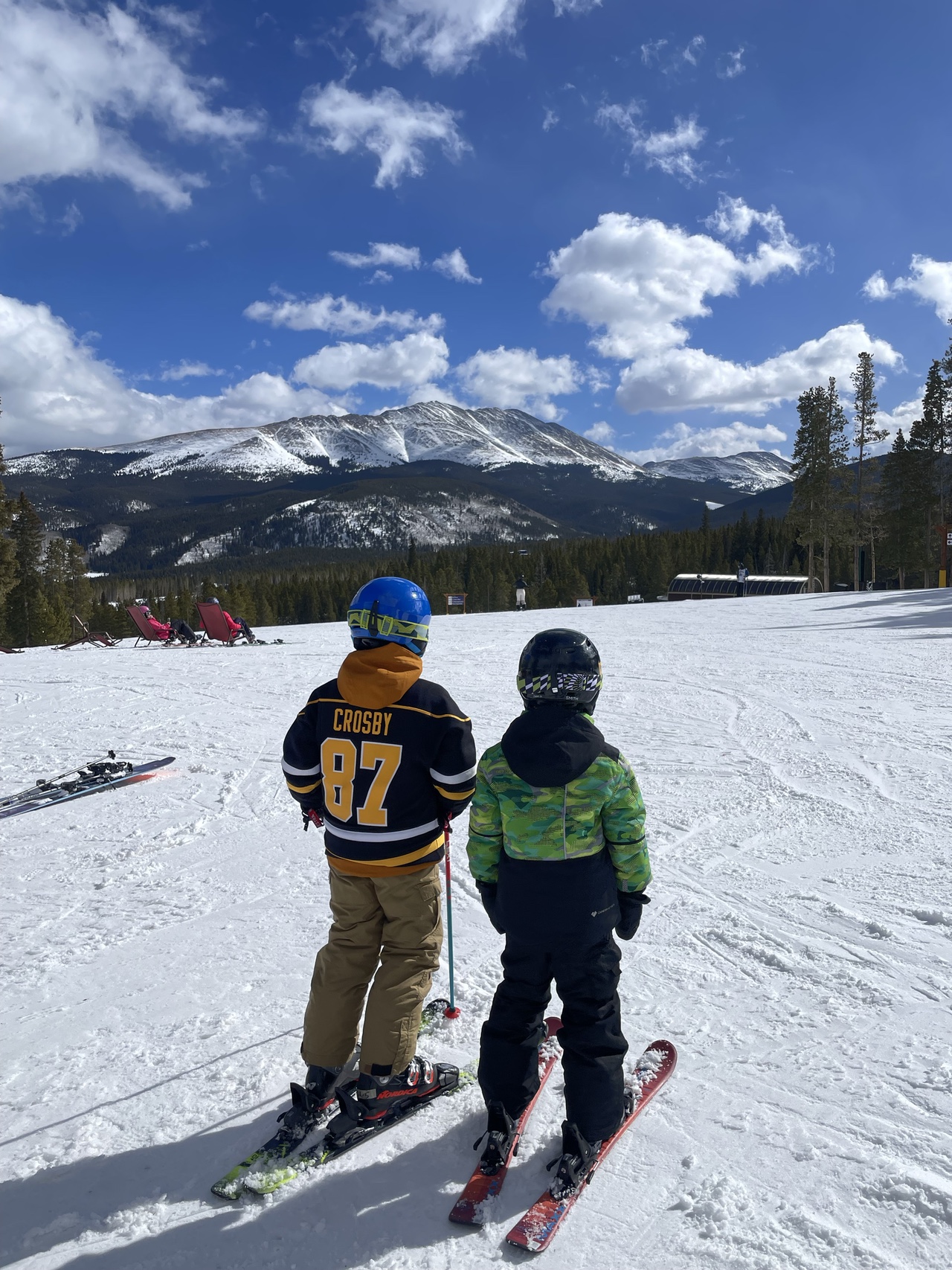
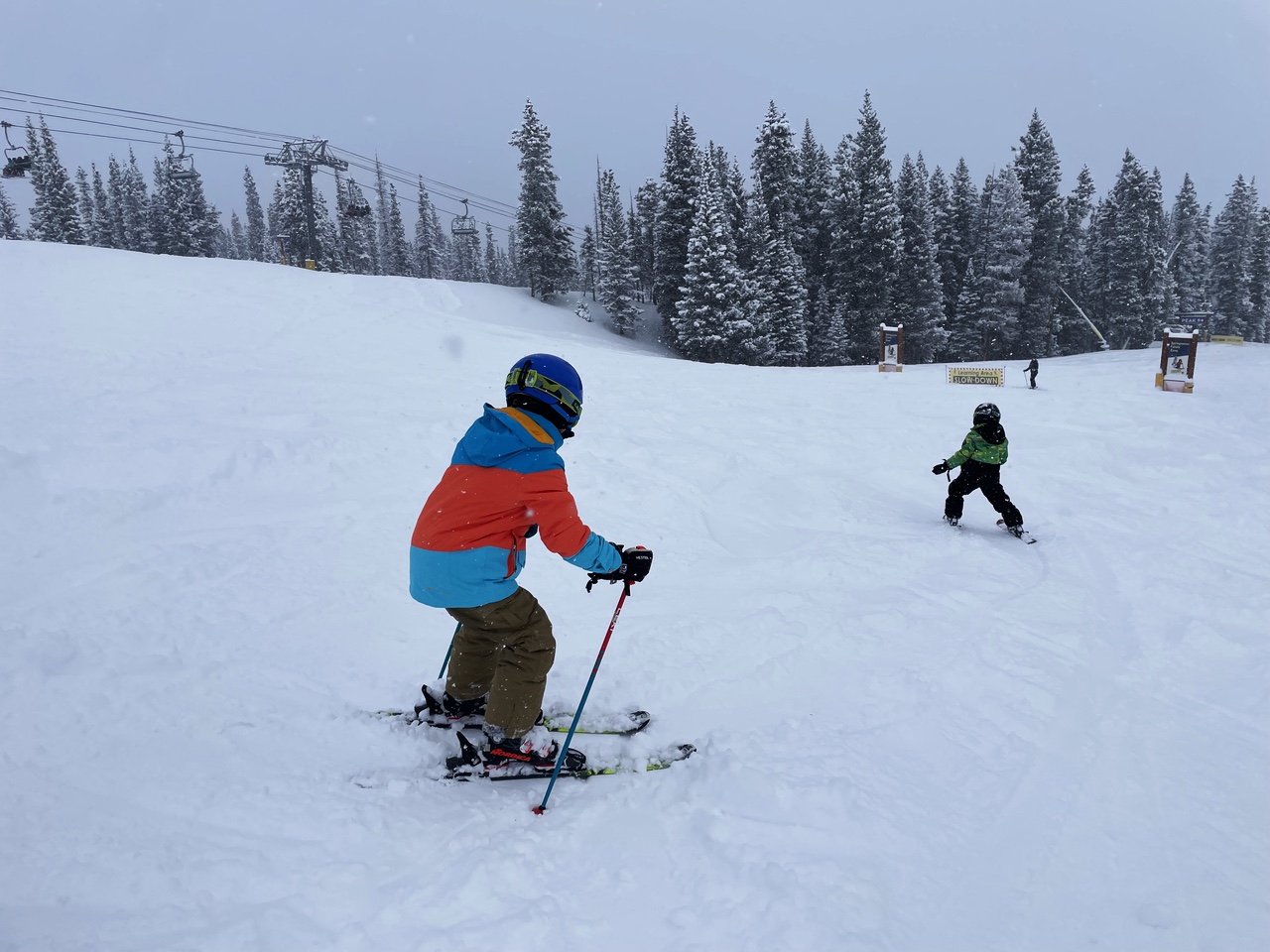
At 9,600 feet, the air is thin. The thin air affects everyone differently. Some people get headaches, some get nauseous, some just feel tired. Your body compensates, but it takes time. The first day, everything feels a little off. By the third day, you’ve adjusted, but you’re still aware that you’re operating at a deficit.
But my six year old son didn’t adjust so fast. The first day, he’s not feeling well, sleepy and tired. When he’s awake, he asks me questions about why my hair doesn’t grow, and telling me that he’s now 9. “I’m 9,” he says. “I ate a flower that did a power up and now I’m 9.”
Altitude sickness is a common affliction at high elevations. The air pressure drops, which means less oxygen reaches your bloodstream, and while your body tries to compensate by breathing faster and producing more red blood cells, it takes awhile for the body to compensate. Until then, you’re operating on less oxygen than your body is used to, and headaches, nausea, dizziness, and fatigue are common signals that your body is struggling.
The doctor’s recommendation was to descend to a lower altitude, meaning leave Breckenridge, drive back to Denver, see if he adjusted. My wife spent a little time looking around and suggested visiting an oxygen bar to see if that would help.
The use of supplemental oxygen to counter the effects of altitude is not new. While oxygen had been used to treat tuberculosis and pneumonia as early as the late 1700s, the first recorded attempt to use supplemental oxygen in mountaineering was not until 1903. Annie Smith Peck attempted to bring oxygen equipment on her expedition to Mount Sorata in Bolivia, though the equipment was not actually used. The first successful use came in 1922, when the British Mount Everest expedition used bottled oxygen to reach 27,250 feet, setting a world altitude record. For decades thereafter, supplemental oxygen remained the domain of serious mountaineers and medical patients—hospital patients in oxygen tents, people with respiratory conditions like emphysema and COPD, anyone whose body couldn’t get enough oxygen on its own.
Entrepreneurs eventually brought recreational use to the masses. The first oxygen bar opened in Toronto in 1996, and the concept quickly spread. By the early 2000s, oxygen bars started popping up in mountain towns—places where you could sit at a counter, put on a nasal cannula, and breathe in purified oxygen, sometimes scented with lavender or eucalyptus. In cities, oxygen bars are marketed as a way to boost energy and reduce stress, but in mountain towns like Breckenridge, the benefit for visiting skiers and hikers dealing with altitude sickness is more straightforward. Now you can purchase small personal oxygen canisters to carry in your backpack or jacket, sold in gift shops next to key chains and ski hats. It’s become part of the mountain town economy, another way to monetize the altitude that once drove miners away.
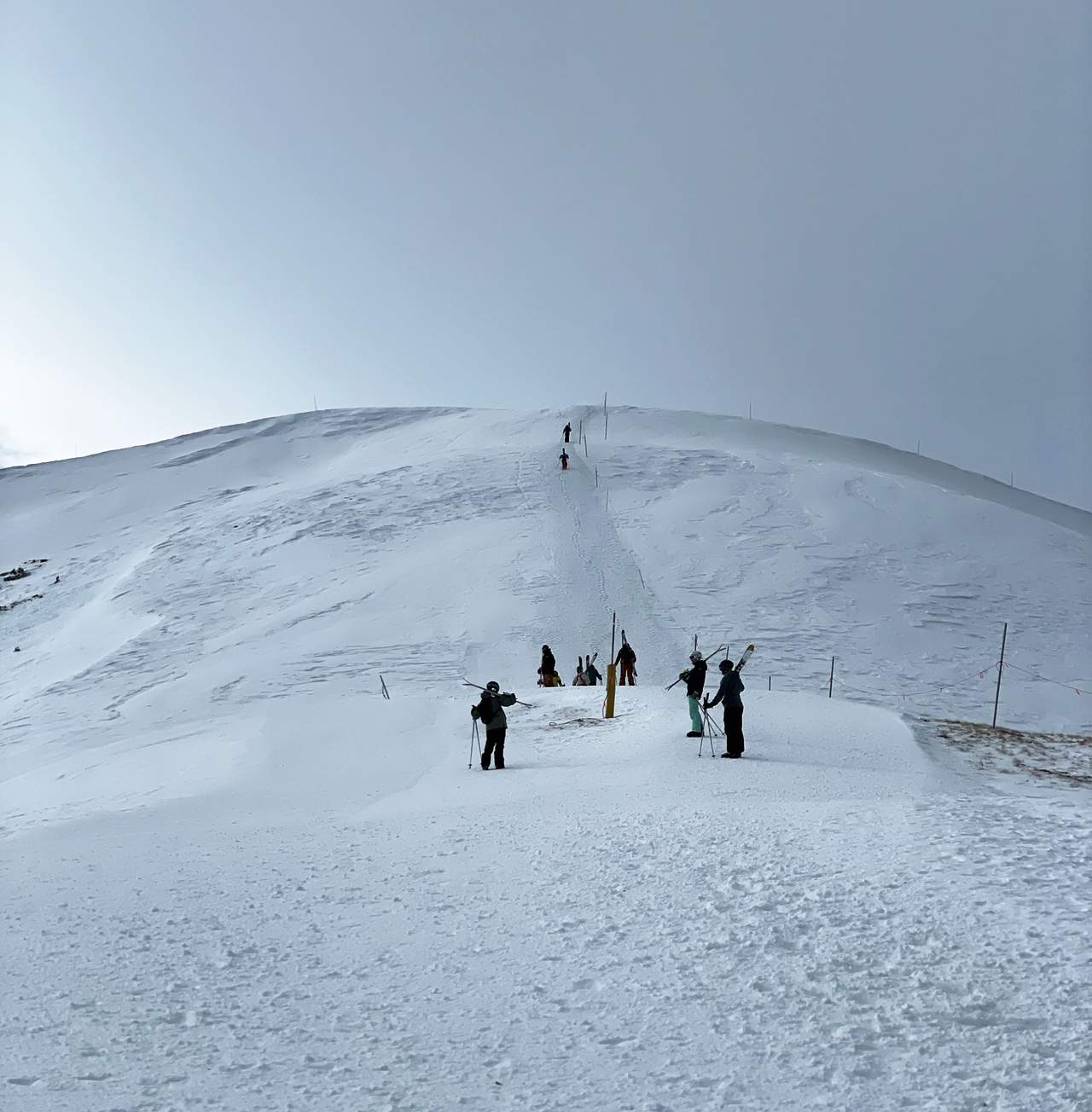
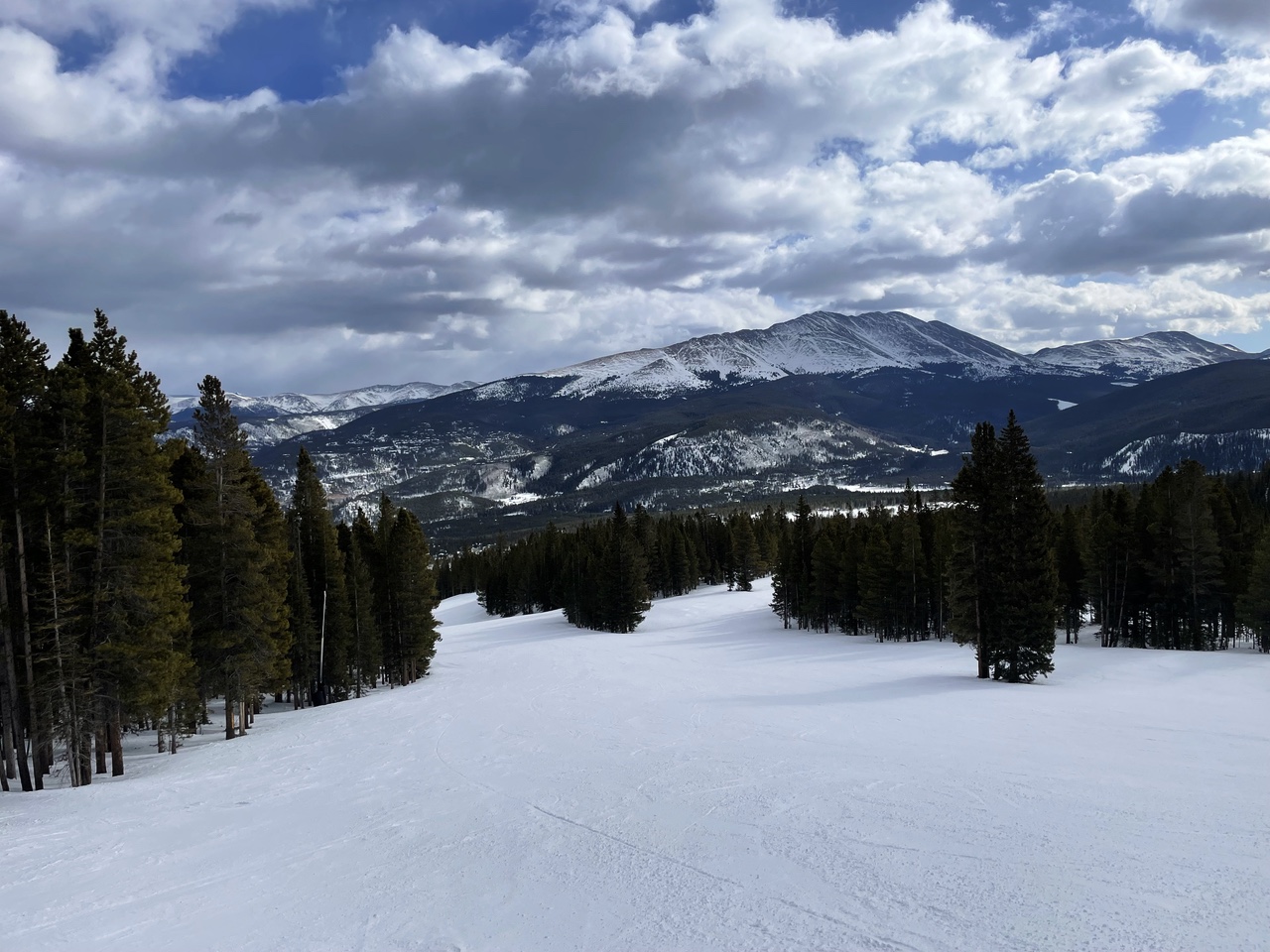
Climate change is shaping the fate of ski towns. Colorado’s snowpack has declined by 23% since 1955, and this season, the state’s snowpack sits at just 53% of normal. Warmer temperatures mean more precipitation falls as rain instead of snow, leading to shorter ski seasons and less reliable conditions.
But there’s another transformation happening, one that’s reshaping the culture of mountain towns faster than the climate. Private equity firms have been buying up ski resorts, consolidating them under corporate umbrellas. Vail Resorts launched the Epic Pass in 2008, offering unlimited access to multiple resorts at a price that made skiing more accessible but also more corporate. Alterra Mountain Company responded with the Ikon Pass in 2018, creating a duopoly that now controls access to most major ski resorts in North America. In Colorado, 86% of lift capacity is now affiliated with either the Epic or Ikon Pass. It’s the same pattern that played out a century earlier: independent operators giving way to corporate consolidation.
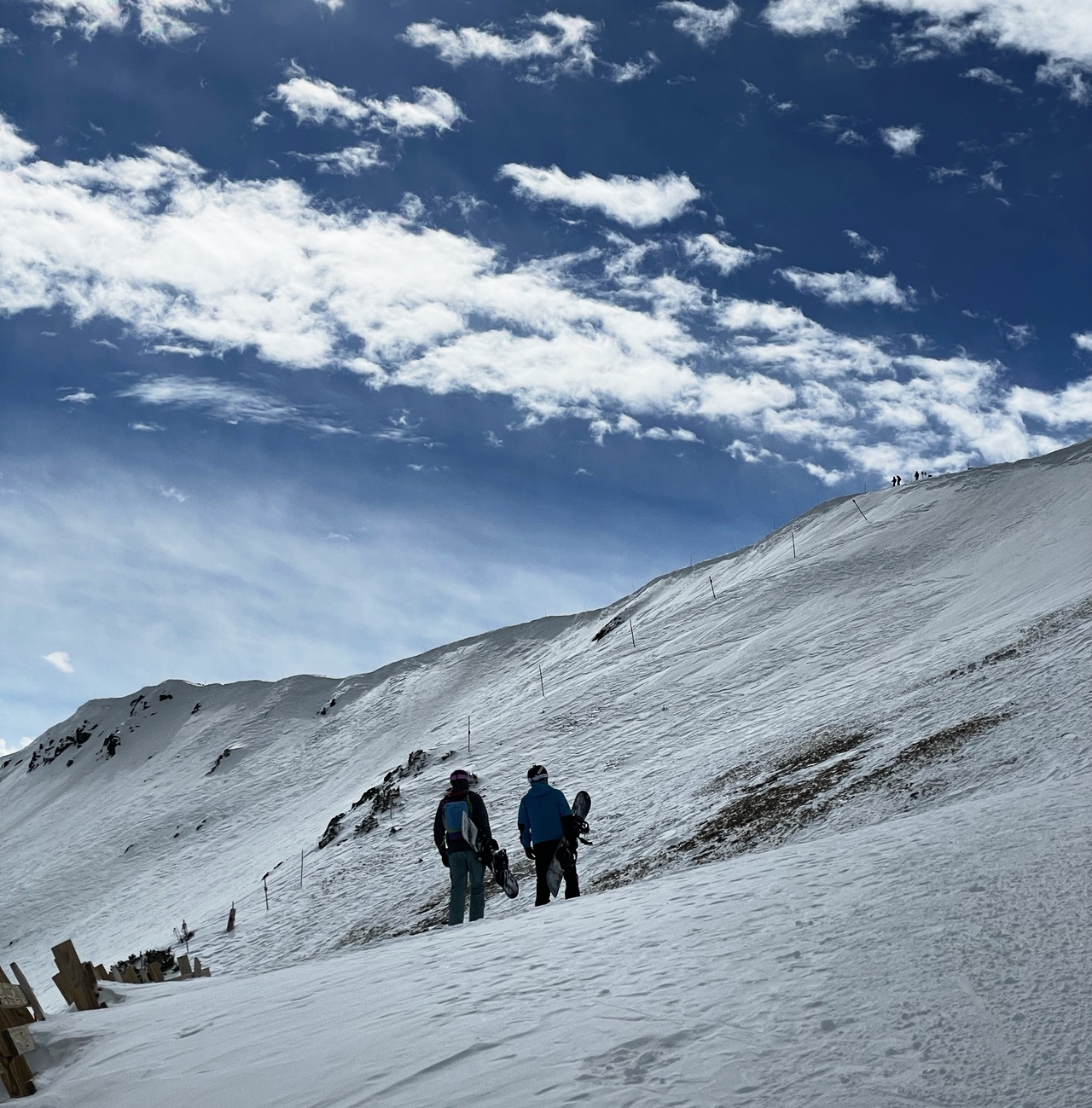
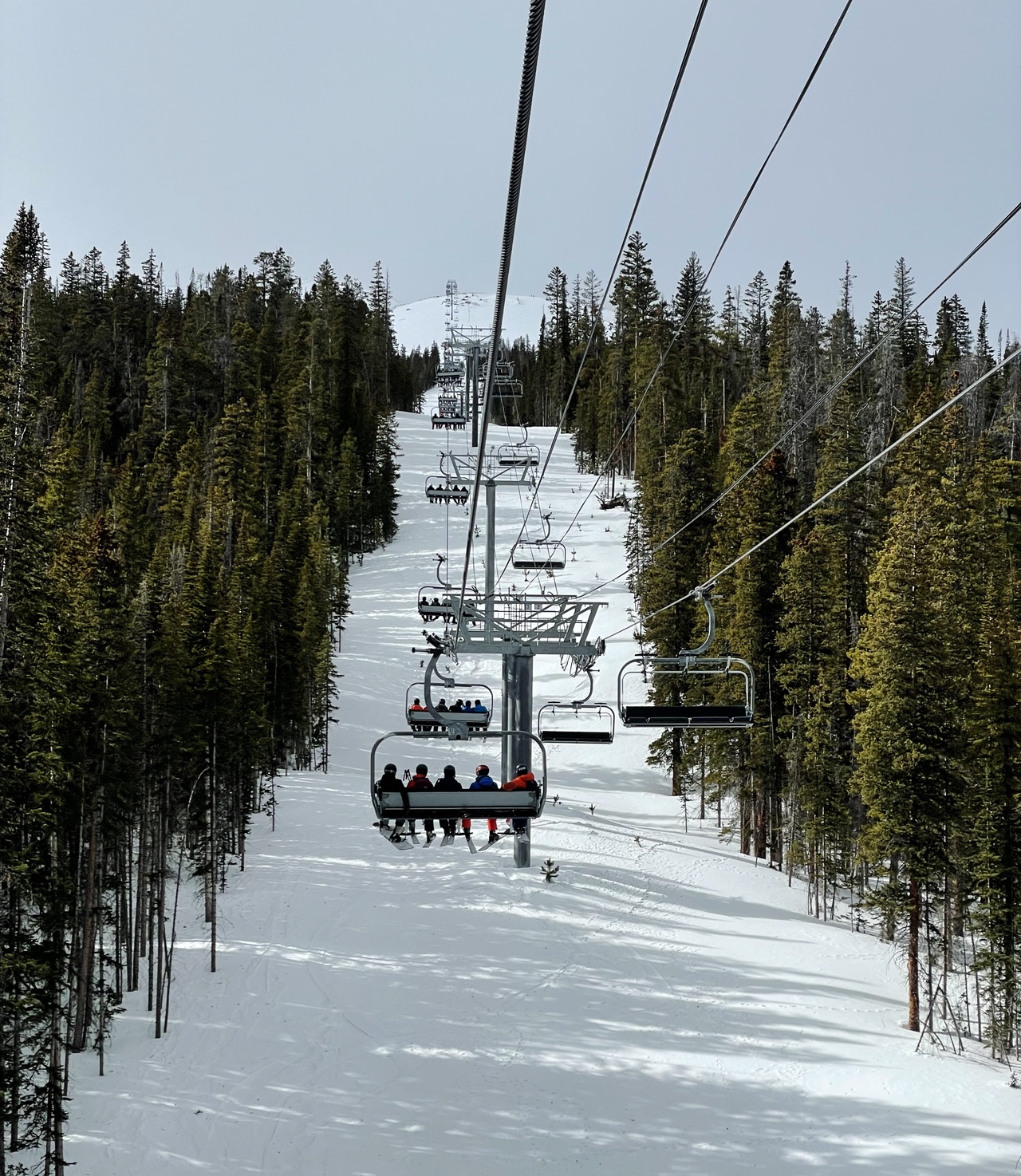
The cultural shift has been profound. The Epic Pass has made it easier for skiers to visit multiple resorts, but it’s also brought crowds, longer lift lines, packed parking lots, and a more commercialized experience. Housing costs in mountain towns have tripled, pricing out the ski bums and seasonal workers who gave these places their character. Local businesses have been pressured by the arrival of corporate chains. Critics argue that the mega-pass model has fundamentally altered the skiing experience, shifting focus from the traditional ski culture to profit-driven models.
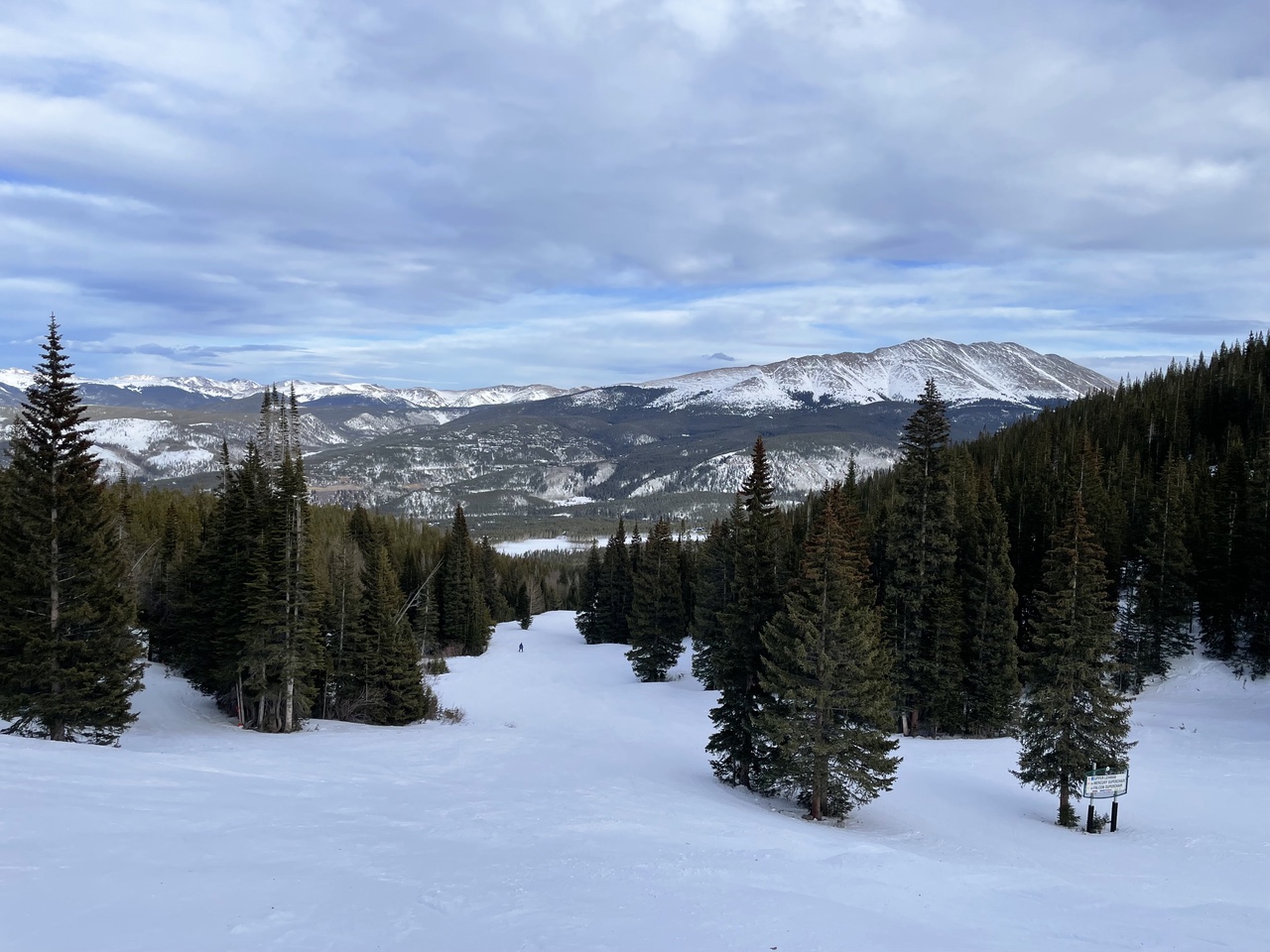
The 2024-25 season recorded 61.5 million visits, the second-highest on record, with Colorado hosting 13.8 million visits, its third-busiest season ever, even though average snowfall across all U.S. ski resorts was down 7% from the previous season and below the long-term averages across the Rocky Mountain, Pacific Northwest and Pacific Southwest regions. The mega-passes have brought economic stability to corporate resorts, creating predictable revenue streams even when the snow is thin. But that stability has come at a cost to the culture and character that made these places special.
It’s an odd time to chase the ski bum dream, even if for me it just means getting 20 to 30 days out on the mountains. But hopefully the snow will hold out and the mountains will survive the corporate changes, and give my own children the opportunities for adventure and exploration for years to come.